


How is extra virgin certified
Extra virgin olive oil (EVOO) is celebrated not only for its exquisite flavor but also for its superior nutritional and health benefits. However, not all olive oils are created equal, and the certification process for extra virgin status is rigorous and essential to ensure quality and authenticity. This certification involves strict standards and testing methods that differentiate true EVOO from lower-grade olive oils.
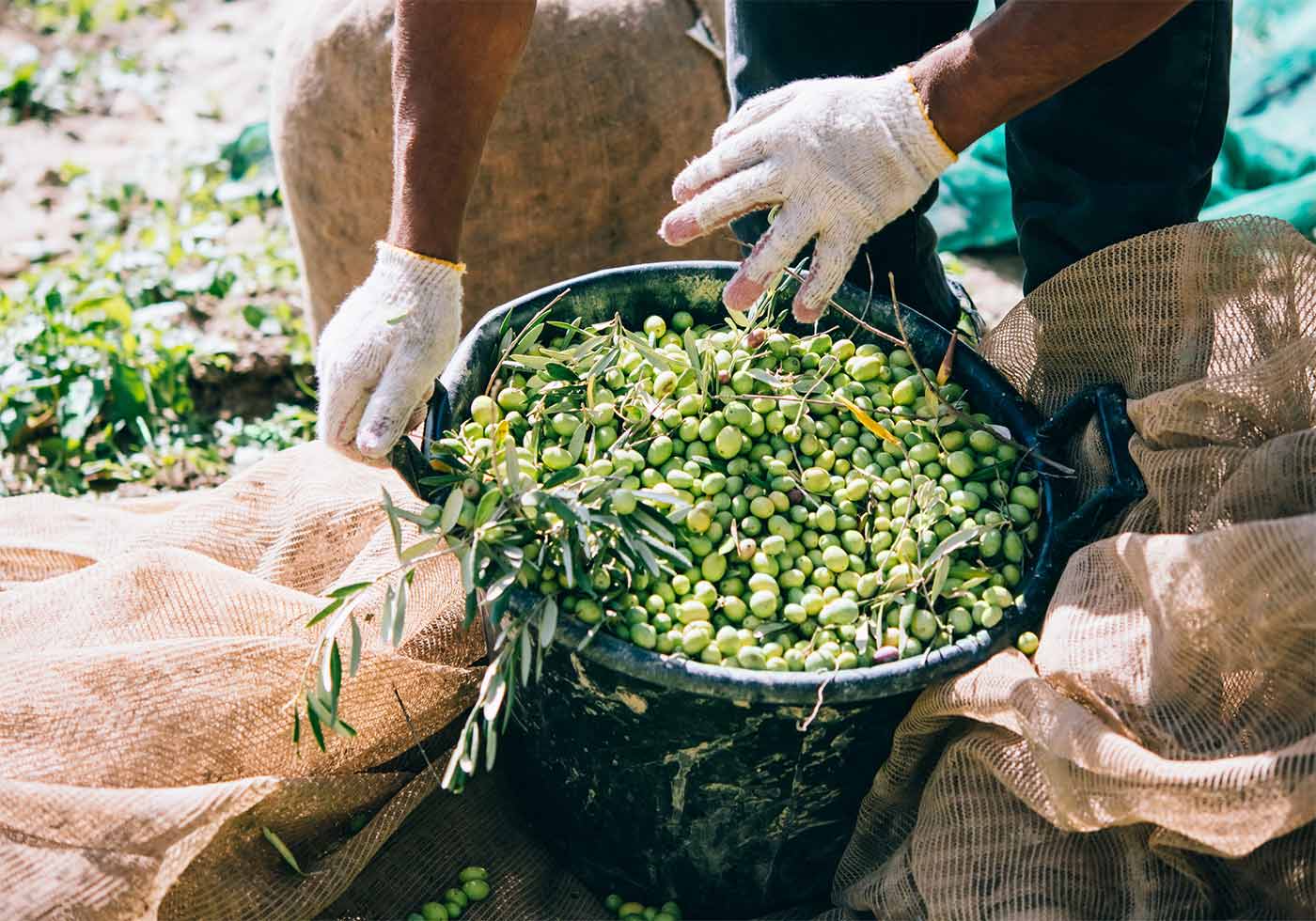
The journey to extra virgin certification begins at the source, with the olives themselves. High-quality EVOO is made from fresh, healthy olives that are harvested at their peak ripeness. The olives must be processed quickly, typically within 24 hours of harvesting, to prevent oxidation and degradation. The extraction process is mechanical, using cold-press methods without the use of heat or chemicals, which preserves the natural flavors, nutrients, and beneficial compounds of the olives. This careful handling ensures that the oil maintains its distinctive sensory characteristics and high levels of antioxidants and polyphenols.
Once the oil is extracted, it undergoes a series of stringent tests to verify its quality. Chemical analysis is conducted to measure factors such as acidity, peroxide levels, and UV absorbance, all of which indicate the freshness and purity of the oil. For EVOO, the acidity level must be below 0.8%, and the peroxide value, which indicates oxidation, must be low. In addition to chemical tests, sensory evaluation by a panel of trained experts is crucial. These tasters assess the oil for positive attributes like fruitiness, bitterness, and pungency, as well as any defects such as rancidity or fustiness. Only oils that pass both the chemical and sensory evaluations can be certified as extra virgin.
Certification is typically carried out by recognized regulatory bodies and industry organizations that set the standards for EVOO. In Europe, for instance, the International Olive Council (IOC) provides guidelines that many producers follow, while in the United States, the United States Department of Agriculture (USDA) and the North American Olive Oil Association (NAOOA) have their own standards. These organizations ensure that certified EVOO meets the highest quality criteria and is authentic, providing consumers with confidence in their purchase. By adhering to these rigorous certification processes, producers of extra virgin olive oil guarantee a product that is not only delicious but also packed with health benefits, maintaining the integrity and trustworthiness of this valuable superfood.
Related Posts
The everyday superfood
Olive oil, often hailed as liquid gold, stands out as a versatile and nutrient-dense superfood that
Health benefits of olive oil
Olive oil, a staple of the Mediterranean diet, has long been celebrated for its numerous health bene

Leave a Reply